
Best ways to diagnose and treat inflammaging


Quick Answer:
Inflammaging is a form of chronic, low-grade inflammation that quietly accelerates skin aging from within. It breaks down collagen, weakens the barrier, and slows down the repair process. While it’s fueled by UV light, stress, poor sleep, and pollution, research shows that calming inflammation through targeted skincare, antioxidants, and peptides can significantly slow the visible signs of aging.
Key Takeaways
- Inflammaging is a form of silent, chronic inflammation that accelerates the development of wrinkles, dullness, and loss of firmness.
- Everyday habits, such as UV exposure, poor sleep, and stress, can trigger long-term skin damage.
- Antioxidants, peptides, retinoids, and barrier-repair ingredients can help counteract inflammaging.
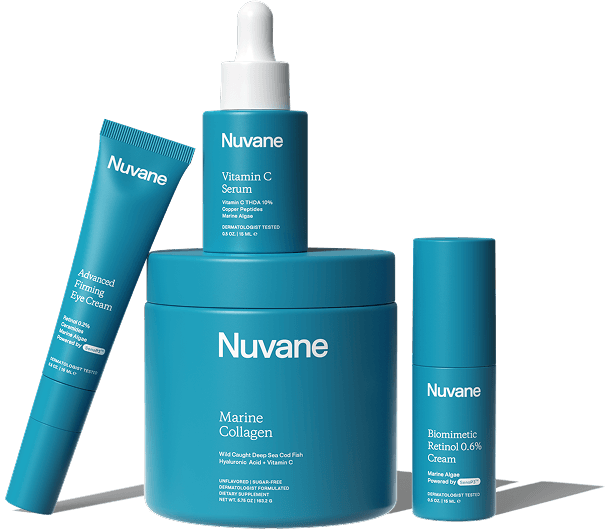
- Science-backed formulas—like those used in Nuvane’s biomimetic peptide systems—target inflammation at a cellular level for long-term rejuvenation.
What Exactly Is Inflammaging?
Inflammaging is a term coined by researchers to describe chronic, low-grade inflammation that occurs as we age. Unlike acute inflammation, which helps the body heal from injury, this process is persistent, subtle, and destructive. It doesn’t cause visible redness or pain, but over time, it damages the cells and structures that maintain the skin's youthfulness.
As the immune system ages, it begins to release inflammatory cytokines even in the absence of an external trigger. This creates a constant background of oxidative stress, enzymatic breakdown, and tissue wear. In the skin, inflammaging is one of the key biological forces behind thinning, sagging, and loss of glow.
What Triggers Inflammaging in the Skin?
Although inflammaging originates within the body, daily habits and environmental exposures exacerbate it. Key triggers include:
• UV radiation – Chronic sun exposure activates inflammatory enzymes that destroy collagen.
• Pollution – Fine particles increase free radicals and cytokine release.
• Poor diet – High-sugar and processed fats amplify systemic inflammation.
• Sleep deprivation and stress – Cortisol imbalance disrupts the skin barrier and immunity.
• Hormonal changes – Declining estrogen and testosterone slow skin repair.
• Cellular aging – Senescent (aged) cells release pro-inflammatory molecules, fueling a cycle of damage.
These stressors accumulate quietly over time. By the time fine lines, discoloration, or sagging appear, the inflammatory cascade has often been active for years.
How Does Inflammaging Damage Skin on a Cellular Level?
At the molecular level, inflammaging is characterized by an imbalance between pro-inflammatory and anti-inflammatory signals. The constant presence of cytokines such as IL-1, IL-6, and TNF-α activates enzymes known as matrix metalloproteinases (MMPs). These enzymes degrade collagen, elastin, and other extracellular matrix components that maintain firmness and elasticity.
As a result:
• Collagen and elastin break down, leading to wrinkles and sagging.
• The skin barrier weakens, causing dryness and sensitivity.
• Cell turnover slows, creating dullness and rough texture.
• Pigmentation becomes uneven, as melanocytes respond irregularly to inflammatory stress.
• Chronic skin conditions worsen, including adult acne, rosacea, and eczema.
This biochemical stress not only accelerates visible aging but also diminishes the skin’s ability to heal and protect itself from further damage.
What Are the Visible Signs of Inflammaging?
The external signs often mimic those of chronological aging but tend to appear earlier or progress faster:
• Persistent dullness and loss of radiance
• Fine lines and deeper wrinkles
• Rough texture and enlarged pores
• Uneven tone and age spots
• Thinning skin and reduced elasticity
• Redness or sensitivity, especially in urban environments
Many dermatologists now consider inflammaging the “silent accelerator” behind premature aging.
Can You Prevent Inflammaging—or Even Reverse It?
Yes. While inflammaging is a natural biological process, its effects can be slowed or even partially reversed with targeted strategies that address inflammation at both the surface and deeper levels within the skin.
How Should You Build an Anti-Inflammaging Skincare Routine?
The goal is to calm, protect, and renew—three pillars of an effective anti-inflammaging routine.
Morning Routine: Protect and Prevent
- Gentle Cleanser – Use a sulfate-free cleanser with oat extract, panthenol, or glycerin to protect the barrier.
- Antioxidant Serum – Vitamin C (10–15%), niacinamide, and ferulic acid neutralize oxidative stress and brighten tone.
- Barrier-Repair Moisturizer – Look for ceramides, squalane, and peptides to strengthen structural lipids.
- Broad-Spectrum SPF 30–50 – Zinc oxide or titanium dioxide combined with green tea or resveratrol minimizes UV-induced inflammation.
Evening Routine: Calm and Repair
- Hydrating Cleanser – Gentle, pH-balanced formulas maintain barrier integrity.
- Soothing Serum – Niacinamide (5%), beta-glucan, and madecassoside reduce microinflammation and redness.
- Peptide + Retinoid Night Cream – Encapsulated retinol (0.3–0.6%) with peptides or bakuchiol renews collagen while soothing the skin.
- Barrier Recovery Cream – Ceramides, bisabolol, and panthenol work together to restore moisture and resilience overnight.
Consistency is key. A stable, calming regimen reduces inflammatory triggers and supports long-term dermal health.
Which Ingredients Are Scientifically Proven to Fight Inflammaging?
Modern dermatology offers several active compounds that have been shown to reduce inflammation, repair damage, and support healthy aging.
1. Peptides
Signal peptides like Palmitoyl Tripeptide-38, Acetyl Hexapeptide-8, and Copper Tripeptide-1 stimulate collagen, calm inflammatory enzymes, and strengthen the dermal matrix. Studies show significant improvements in firmness, elasticity, and wrinkle depth within 8–12 weeks [1][2].
2. Niacinamide (Vitamin B3)
Niacinamide inhibits pro-inflammatory mediators, enhances barrier lipids, and boosts ceramide synthesis. It has been clinically proven to reduce redness and fine lines [3].
3. Antioxidants
Vitamin C, Vitamin E, green tea polyphenols, and ferulic acid neutralize reactive oxygen species (ROS) that perpetuate inflammation [4].
4. Retinoids and Bakuchiol
Retinoids accelerate cell turnover and collagen synthesis, while bakuchiol provides similar benefits with less irritation—ideal for sensitive or rosacea-prone skin [5].
5. Marine Algae Extracts
Fucus vesiculosus and other seaweed-derived extracts contain polyphenols and polysaccharides that soothe inflammation, protect against pollution, and boost hydration [6].
6. Ceramides and Trehalose
Barrier-repair ingredients prevent transepidermal water loss (TEWL) and shield against environmental aggressors that trigger chronic irritation [7].
7. Copper Peptides
These support wound healing, stimulate antioxidant enzymes, and downregulate inflammatory cytokines, thereby helping the skin maintain its structural integrity [8][10].
What Lifestyle Changes Reduce Inflammaging from Within?
Healthy skin reflects internal balance. To calm the inflammation systemically:
• Eat an anti-inflammatory diet rich in fruits, vegetables, omega-3 fats, and whole grains.
• Limit refined sugar, alcohol, and processed foods.
• Practice stress management—chronic cortisol surges impair collagen production.
• Sleep 7–8 hours nightly for optimal skin barrier recovery.
• Exercise regularly, as moderate physical activity lowers systemic inflammatory markers.
• Consider nutritional support such as marine collagen peptides, vitamin C, and curcumin, which may strengthen connective tissue and antioxidant defense.
How Long Does It Take to See Results?
Most studies show visible improvement in fine lines, texture, and radiance after 8–12 weeks of consistent use of anti-inflammatory skincare combined with lifestyle adjustments. Barrier recovery often begins within the first two weeks, while changes in collagen and elasticity occur gradually as dermal remodeling progresses.
Why Is Barrier Health So Important in Inflammaging?
A strong skin barrier is the body’s frontline defense against external aggressors. When the barrier weakens, pollutants and irritants penetrate more easily, triggering immune activation. Strengthening the barrier with ceramides, fatty acids, and humectants helps prevent this cascade and reduces overall inflammation.
Barrier repair is not just a comfort measure—it’s a biological intervention against chronic skin stress.
How Does Modern Skincare Science Address Inflammaging?
Recent innovation focuses on biomimetic ingredients that communicate directly with skin cells to restore equilibrium. Biomimetic peptides, marine extracts, and adaptogenic botanicals mimic the body’s natural signaling molecules, reducing inflammatory stress while supporting regeneration.
This new generation of skincare moves beyond surface hydration—it modulates the biological pathways of aging itself.
What’s Next: Science-Backed Skincare Against Inflammaging
Cutting-edge research now centers on actives that target both inflammation and senescence (the aging of skin cells). Multi-pathway peptide complexes, such as SenoP3™, combine three clinically validated peptides—Copper Tripeptide-1, Palmitoyl Tripeptide-38, and Acetyl Hexapeptide-8—to simultaneously stimulate collagen, calm inflammation, and relax expression lines.
Formulations like those developed by Nuvane integrate these biomimetic peptides with antioxidants, niacinamide, and marine algae extracts, addressing the root causes of inflammaging at the molecular level. The result: stronger, smoother, and more resilient skin that ages gracefully.
For ingredient details and clinical data, refer to Nuvane’s documentation on its proprietary peptide system and marine complex, which demonstrates measurable wrinkle depth reduction and improved skin elasticity.
FAQs
1. Is inflammaging only a concern for mature skin?
No. It begins as early as the mid-20s, even before visible wrinkles appear. Prevention is far more effective than reversal.
2. Can inflammaging affect all skin types?
Yes, though sensitive and dry skin types often experience its effects earlier due to a weaker barrier function.
3. How is inflammaging different from oxidative stress?
Oxidative stress is caused by free radicals, while inflammaging involves immune signaling. They often occur together, amplifying damage.
4. Do retinoids make inflammation worse?
Poorly formulated retinoids can irritate the skin, but stabilized or encapsulated versions, combined with soothing ingredients, can actually reduce chronic inflammation over time.
5. What foods trigger inflammaging?
High-sugar diets, processed oils, and excessive alcohol promote pro-inflammatory cytokine activity.
6. Can stress really age your skin?
Yes. Chronic stress elevates cortisol, which impairs barrier repair and increases inflammation, ultimately leading to accelerated collagen loss.
7. Is sunscreen still necessary indoors?
Absolutely. UVA rays penetrate windows and contribute to both photoaging and inflammaging.
8. Can inflammaging be completely stopped?
No, but it can be significantly slowed through consistent skincare, sun protection, and anti-inflammatory habits.
References
[1] Schagen SK. (2017). Topical peptide treatments with effective anti-aging results. J Drugs Dermatol, 16(6), 51–55.
[2] Maquart FX et al. (1993). Stimulation of collagen synthesis in fibroblast cultures by GHK-Cu. FEBS Lett, 238(2), 343–346.
[3] Draelos ZD. (2013). The multifaceted benefits of niacinamide. J Clin Aesthet Dermatol, 6(12), 16–22.
[4] Burke KE. (2007). Photoprotection by topical antioxidants. Am J Clin Dermatol, 8(5), 305–310.
[5] Dhaliwal S et al. (2019). Bakuchiol: A retinol-like functional compound. Br J Dermatol, 180(2), 289–296.
[6] Fitton JH. (2011). Therapies from Fucoidan: Multifunctional Marine Polymers. Mar Drugs, 9(10), 1731–1760.
[7] Elias PM. (2008). Skin barrier function. Curr Allergy Asthma Rep, 8(4), 299–305.
[8] Finkley MB et al. (2007). Efficacy of copper tripeptide cream for skin elasticity. J Cosmet Sci, 58(4), 447–451.
[9] Kim JH et al. (2015). Effect of Argireline on SNAP-25 expression and senescence markers. Ann Dermatol, 27(4), 404–410.
[10] Leyden JJ et al. (2002). Skin Care Benefits of Copper Peptide Facial Creams. Int J Cosmet Sci, 24(3), 149–154.
Find the most effective anti-aging products for you by taking the free skin assessment.
Enjoyed this article? Add Nuvane as a preferred source on Google.