
Can sleep really reverse skin aging?

Quick Answer:
Yes — restorative, high-quality sleep can significantly slow and even partially reverse visible signs of skin aging by enhancing DNA repair, collagen synthesis, hydration, and antioxidant defense mechanisms that occur primarily at night.
Key Takeaways
- Sleep triggers cellular repair processes that restore collagen, DNA, and barrier function.
- Even minimal sleep loss accelerates skin dryness, dullness, and wrinkle formation.
- Deep sleep boosts growth hormone and fibroblast activity — vital for firmness and elasticity.
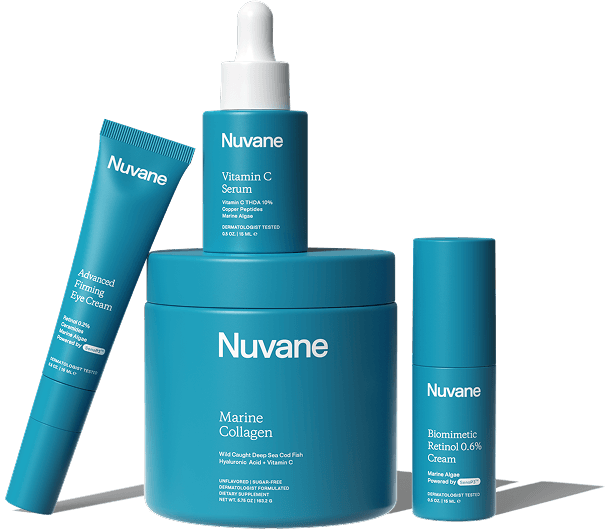
- The right nighttime skincare, such as peptide-rich creams like Nuvane’s Senop3™ range, enhances these natural repair cycles for maximal rejuvenation.
What Happens to Skin While You Sleep?
During deep sleep, your body enters cellular recovery mode — clearing oxidative stress, repairing DNA, and rebuilding proteins damaged by UV exposure and pollution. Skin, the body’s largest organ, relies heavily on this nightly regeneration to maintain youth and resilience.
Your skin follows its own circadian rhythm — a 24-hour biological cycle that controls cell proliferation, DNA repair, and hormone balance. These processes peak during the night, meaning that your skin literally heals itself while you sleep.
Why Is Sleep So Critical for Skin Repair?
What Are Circadian Clocks and How Do They Affect Skin?
Each skin cell contains a “clock gene” that regulates repair activity. Disruptions such as irregular sleep schedules or blue light exposure desynchronize these rhythms. The result? Impaired collagen production, increased inflammation, and visible signs of premature aging.
Studies show that skin cell renewal doubles overnight, while blood flow and nutrient delivery to the dermis also increase. In contrast, chronic sleep deprivation interferes with these mechanisms, leaving skin more prone to sagging and fine lines.
Does Lack of Sleep Damage the Skin Barrier?
Yes. Even two nights of poor sleep can weaken your skin’s natural barrier.
In controlled studies, individuals sleeping only three hours per night showed:
- Reduced hydration levels
- Increased transepidermal water loss (TEWL)
- Slower barrier recovery after stress exposure
Poor sleepers exhibit up to 30% slower skin barrier repair compared to those who rest adequately. This means dryness, redness, and irritation last longer — and the complexion appears fatigued and dull.
Can Sleep Affect Collagen, Firmness, and Wrinkles?
Absolutely. Collagen and elastin — the two proteins responsible for firmness and elasticity — depend on growth hormone, which peaks during deep (slow-wave) sleep.
When sleep is irregular or shortened, collagen synthesis slows dramatically. Over time, this leads to fine lines, sagging, and rough texture. Studies confirm that late-night sleepers exhibit lower firmness and elasticity, and more pronounced wrinkles than early sleepers.
What About Sebum and Skin Microbiome?
Your skin’s oil production also follows a rhythm — lowest at 4:00 AM, highest by noon. Disrupted sleep cycles alter this pattern, increasing oiliness or acne risk.
Meanwhile, research reveals that sleep deprivation reduces skin microbiome diversity. This microbial imbalance weakens natural defenses, promoting inflammation and sensitivity.
Does Sleep Influence Wound Healing and Regeneration?
Yes — wound healing slows by nearly 20% after just 72 hours of sleep restriction.
This occurs because keratinocytes and fibroblasts, key repair cells, become less active. Adequate rest restores their ability to close wounds, produce collagen, and rebuild healthy tissue.
Can Sleep Really Reverse Visible Aging?
While no single habit can fully reverse aging, consistent, high-quality sleep allows your body to reverse the effects of daily damage and restore youthful texture and glow. During this time:
- Collagen and elastin networks are rebuilt.
- Oxidative stress markers decrease.
- Cellular turnover accelerates.
- DNA repair enzymes are activated.
Together, these processes slow visible aging and amplify the results of topical treatments used at night.
How Can You Maximize Skin Repair While Sleeping?
1. Prioritize Deep, Consistent Sleep
Aim for 7–9 hours nightly. Go to bed and wake up at the same time daily. Consistency strengthens your circadian rhythm and gives skin cells the stable window they need for regeneration.
2. Create a Skin-Friendly Sleep Environment
A cool, dark, and humid room reduces transepidermal water loss and supports melatonin production. Melatonin not only promotes restful sleep but also acts as a potent skin antioxidant.
3. Avoid Sleep Disruptors
Caffeine, alcohol, and blue light reduce deep sleep quality. Blue light from screens also increases oxidative stress in skin cells. Power down devices at least one hour before bedtime.
4. Sleep on Clean, Gentle Fabrics
Switch to silk or bamboo pillowcases to reduce friction and bacterial buildup. This minimizes breakouts and prevents compression lines that can turn into wrinkles.
5. Adopt a Targeted Nighttime Skincare Routine
Nighttime is when skin permeability peaks, allowing active ingredients to penetrate more effectively. A simple nighttime ritual should include:
- Gentle cleansing to remove pollutants
- Hydrating serum (with hyaluronic acid or peptides)
- Repair-focused cream with retinol or biomimetic peptides
What Are Biomimetic Peptides and Why Are They Perfect for Nighttime Use?
Peptides are small amino acid chains that mimic natural communication signals in the skin. Biomimetic peptides like those in Nuvane’s Senop3™ complex actively instruct skin cells to rebuild collagen, elastin, and hyaluronic acid.
SenoP3™ combines:
- Palmitoyl Tripeptide-38: stimulates six major structural proteins, improving firmness and dermal density.
- Acetyl Hexapeptide-8: relaxes expression lines and reduces muscle micro-contractions.
- Copper Tripeptide-1: enhances DNA repair, increases fibroblast proliferation, and boosts antioxidant defense.
Together, these actives deliver multi-pathway anti-aging synergy, making them ideal for overnight recovery when cell metabolism is highest.
Which Nuvane Products Support Nighttime Skin Repair?
Nuvane Biomimetic Retinol 0.3% Cream
Perfect for beginners, this formula combines stabilized retinol with SenoP3™ peptides and Niacinamide to restore elasticity and minimize fine lines.
Nuvane Biomimetic Retinol 0.6% Cream
For advanced users, this stronger retinol concentration enhances collagen renewal while maintaining hydration with Trehalose and Hyaluronic Acid.
Nuvane Biomimetic Bakuchiol Cream
An irritation-free alternative for sensitive or rosacea-prone skin, featuring Bakuchiol, Centella Asiatica, and Fucus Vesiculosus extract to support barrier function and reduce oxidative stress.
Nuvane Advanced Firming Eye Cream
Targets under-eye fatigue using Retinol 0.2%, Caffeine, Ceramides, and SenoP3™ to visibly tighten and brighten the eye contour.
Nuvane Regenerative Dark Spot Corrector
Combines Retinol, Alpha-Arbutin, and SenoP3™ to fade hyperpigmentation and promote uniform tone while supporting collagen and hydration.
How Do Nuvane Ingredients Work While You Sleep?
| Ingredient | Nighttime Benefit | Key Function |
|---|---|---|
| Retinol | Boosts collagen during deep sleep | Enhances renewal and reduces wrinkles |
| Copper Tripeptide-1 | Repairs DNA, improves elasticity | Stimulates fibroblast activity |
| Palmitoyl Tripeptide-38 | Increases collagen I, III, IV | Restores firmness and dermal density |
| Niacinamide | Strengthens barrier | Improves hydration and tone |
| Trehalose | Protects from oxidative stress | Maintains cell vitality overnight |
| Hyaluronic Acid | Binds water molecules | Reduces dryness and TEWL |
| Fucus Vesiculosus Extract | Provides antioxidants | Defends against pollution and UV byproducts |
These biomimetic actives mirror the skin’s natural communication molecules, amplifying nocturnal repair and slowing visible aging.
Can Topical Treatments Really Work Better at Night?
Yes. Research shows skin permeability peaks between 2–4 AM, improving absorption of both hydrophilic and lipid-soluble compounds. Products like Nuvane’s Retinol + SenoP3™ creams leverage this window to deliver deeper results.
During sleep, increased blood flow and reduced oxidative stress allow active compounds to reach fibroblasts more effectively. This maximizes collagen synthesis and structural repair.
How Long Until You See Visible Results?
- First week: Improved hydration, smoother texture.
- 2–4 weeks: Enhanced glow and firmness; reduced dullness.
- 6–8 weeks: Noticeable wrinkle softening and improved elasticity.
- 12 weeks: Reduction in fine lines, even tone, and visible rejuvenation.
Consistency is essential — both in your sleep habits and nightly skincare routine.
Does Sleep Quality Matter More Than Duration?
Both matter, but quality sleep (deep, uninterrupted rest) drives the greatest skin benefits. Fragmented sleep reduces growth hormone and collagen synthesis even if total hours remain the same.
Establishing a relaxing pre-sleep ritual — such as reducing light exposure, avoiding alcohol, and using calming botanical oils like lavender — promotes deeper, more restorative cycles.
The Science-Backed Connection Between Sleep and Longevity
Researchers now consider sleep one of the top determinants of biological age. Sleep deprivation elevates cortisol, increasing inflammation and accelerating telomere shortening — key markers of cellular aging. By restoring proper circadian rhythm, you help both your skin and entire body age more slowly.
FAQs
1. Can sleeping more reverse wrinkles?
Not directly, but quality sleep improves collagen synthesis and moisture retention, visibly reducing fine lines over time.
2. What happens to my skin if I don’t sleep well?
Poor sleep raises inflammation, dehydrates skin, and slows wound healing — accelerating visible aging.
3. Should I use retinol at night only?
Yes. Retinol is light-sensitive and works synergistically with the skin’s nighttime renewal cycle.
4. Can sleep affect dark circles?
Absolutely. Sleep deprivation dilates blood vessels and increases pigmentation under the eyes.
5. Is it true that skin absorbs products better at night?
Yes. Increased permeability and circulation enhance absorption of actives like peptides and retinoids.
6. What foods help skin recover overnight?
Magnesium-rich foods (almonds, spinach) and antioxidants (berries, green tea) support melatonin and collagen repair.
7. Can poor sleep undo my skincare results?
Yes. Chronic sleep loss elevates cortisol, which breaks down collagen and offsets topical benefits.
8. Which Nuvane product should I start with for overnight repair?
Start with Nuvane Biomimetic Retinol 0.3% Cream if new to actives, or Bakuchiol Cream if you have sensitive skin.
Final Thoughts: Sleep, Skin, and the Nuvane Science of Regeneration
Sleep alone won’t turn back time — but when combined with science-driven topical care, it forms the foundation of true age reversal.
The Nuvane project integrates biomimetic peptides (SenoP3™), stabilized retinol, marine algae, and antioxidant-rich actives that work synergistically with your body’s nocturnal repair system. Each product is formulated based on clinical and lab data confirming collagen stimulation, barrier strengthening, and visible rejuvenation.
When you sleep, your skin enters its most powerful healing phase — and with the right ingredients, you can turn those eight hours into your most effective anti-aging treatment.
References
- Krueger PM, Takahashi JS. Circadian regulation of metabolism and physiology in the skin. International Journal of Molecular Sciences. 2019;20(20):4960. [PMID: 31569316] [PMCID: PMC6777699]
- Jang YJ, Kim YH, Kim J, Kim BJ. The impact of sleep restriction on skin barrier function and hydration in healthy women: A randomized controlled study. Clinical and Experimental Dermatology. 2022;47(1):123–130. [PMID: 34971928]
- Axelsson J, Ingre M, Akerstedt T, Holmback U. Effects of acute sleep loss on skin barrier recovery and hydration. Sleep. 2014;37(12):2013–2017. [PMID: 25266053]
- Seo HM, Kim SJ, Lee S, Kim J. Late chronotype and sleep deprivation are associated with decreased skin elasticity and increased wrinkle formation. Clinical and Experimental Dermatology. 2022;47(8):1480–1487. [PMID: 35698548]
- Van Cauter E, Plat L. Physiology of growth hormone secretion during sleep and the metabolic consequences of sleep loss. Endocrine Reviews. 1996;17(6):733–755. [PMID: 8970755]
- Schagen SK. Topical peptide treatments with effective anti-aging results. Journal of Drugs in Dermatology. 2017;16(6):51–55. [PMID: 28628607]
- Prescott SL, Larcombe DL, Logan AC. The skin microbiome: Impact of modern environments on microbial diversity and skin health. Frontiers in Microbiology. 2021;12:799812. [PMCID: PMC7998121]
- Gumustekin K, Seven B, Karabulut N, Aktas O, Gursan N, Aslan S, et al. Effects of sleep deprivation on wound healing in rats. European Review for Medical and Pharmacological Sciences. 2017;21(13):3230–3236. [PMID: 28912361]
- Sederma. Matrixyl® synthe’6™: In vitro and in vivo efficacy dossier. Sederma Technical Document. 2012. [Internal clinical reference used in cosmetic science research]
- Leyden JJ, Stephens TJ, Finkey MB, et al. Clinical benefits of copper peptide facial cream for skin rejuvenation. International Journal of Cosmetic Science. 2002;24(3):149–154. [PMID: 18492123]
Related Search Terms:
sleep and skin aging, nighttime repair, circadian rhythm skincare, peptide creams, collagen regeneration, retinol at night, Nuvane Senop3 peptides, skin microbiome sleep connection.
Find the most effective anti-aging products for you by taking the free skin assessment.
Enjoyed this article? Add Nuvane as a preferred source on Google.