
Which 2026 skincare trends really live up to the hype?


Key Takeaways
- Barrier Repair 2.0 is moving beyond heavy occlusives into lightweight, multitasking formulas that strengthen skin without suffocating it.
- Back-to-Basics trends emphasize retinol and vitamin C, showing consumers want proven ingredients over confusing novelty.
- Exosomes and GLP-1 face care are emerging frontiers—promising, but still controversial in their long-term efficacy and safety.
- Serum strategy is replacing serum stockpiling, with smarter routines that balance hydration, actives, and barrier care.
Why Is Barrier Repair 2.0 More Than Just a Seasonal Buzzword?
Barrier repair has been a buzzword for years, but fall 2025 and into 2026 are seeing what experts call Barrier Repair 2.0—smarter, more elegant formulations that combine ceramides, niacinamide, fatty acids, and humectants in lightweight textures. Unlike the heavy ointments of the past, these products hydrate without leaving a greasy film, making them ideal for layering under sunscreen or makeup.
Scientific studies confirm that maintaining a healthy barrier reduces trans-epidermal water loss (TEWL) and improves resilience against environmental stressors [1]. For women over 50, whose skin naturally thins with age, this evolution in barrier care is especially valuable.
Barrier Repair 2.0 also reflects a deeper understanding of skin biology. Instead of simply sealing in moisture, new-generation creams aim to support the skin’s microbiome, reduce inflammation, and balance lipid levels. These formulas closely mimic the skin’s natural lipid composition, resulting in better tolerance and improved long-term outcomes.
Are We Finally Returning to the Basics of Skincare?
Yes—and for good reason. After years of ingredient overload, dermatologists and consumers alike are finding comfort in retinol and vitamin C.
- Retinol: Stimulates collagen production, reduces fine lines, and improves texture [2].
- Vitamin C: Provides antioxidant protection and brightens hyperpigmentation [3].
Dermatologists emphasize that while biotech and trendy actives capture headlines, the gold-standard duo of retinol and vitamin C consistently delivers evidence-based results. For women navigating post-menopausal skin changes, these actives remain the foundation of a healthy routine.
This trend also demonstrates consumer fatigue with overly complex routines. Skincare minimalism—sometimes called “skinimalism”—is a response to years of overconsumption. By highlighting tried-and-true ingredients, brands are making skincare approachable again, without sacrificing results.
Are Lip Balms Becoming the New Lipsticks?
Fall 2025’s 2.0 lip balms are no longer basic hydrators. Instead, they function as hybrid treatment-color products that plump, repair, and tint.
Consumers experiencing “filler fatigue” are driving this trend—seeking fuller, softer lips without injections. Modern balms now incorporate peptides, hyaluronic acid, and botanical oils to naturally hydrate and plump the skin [4].
This shift reflects a broader cultural move toward effortless, low-maintenance beauty—perfect for mature women who want comfort without sacrificing sophistication. These balms also bridge the gap between skincare and makeup, aligning with the modern preference for products that serve multiple purposes simultaneously.
Is Serum Stockpiling Officially Over?
In recent years, serums multiplied into every texture imaginable, leading to overwhelming, sometimes irritating routines. Dermatologists now advocate for serum strategy—choosing one or two formulas that complement, rather than duplicate, your moisturizer.
For example:
- If your cream is hydrating → pair with a brightening serum.
- If your cream has strong actives → pair with a barrier-repair serum.
Studies support the “less is more” approach: overuse of actives can damage the barrier and trigger sensitivity [5]. The 2026 trend is about smart layering, not excess.
The serum strategy also considers body areas often neglected, such as the chest, hands, and scalp. Using the same serum on multiple exposed areas maximizes benefits and minimizes clutter, further aligning with the minimalist, efficiency-driven movement.
Are Exosomes the Future of Skin Regeneration or Just Hype?
Exosomes—tiny messengers secreted by cells—are making waves in both professional treatments and over-the-counter products. They carry proteins, lipids, and genetic material thought to stimulate skin repair and collagen regeneration [6].
But here’s the reality:
- Not all exosomes are created equal. Their source (plant, stem cell, or lab-derived) determines efficacy.
- Clinical studies are still limited, and the long-term safety of this treatment remains unclear.
Experts agree that exosomes are exciting but caution that, like early stem cell skincare, this category is still in its infancy. Women considering exosome products should weigh the cost against the lack of established data.
In the years ahead, further standardization and regulation will be necessary for exosomes to become mainstream. Until then, they remain an experimental frontier rather than a proven solution.
How Is GLP-1 Use Reshaping Skincare?
With GLP-1 medications (used for weight loss and diabetes) skyrocketing in popularity, dermatologists are noticing a new phenomenon: “GLP-1 face”—characterized by sagging, hollowing, and reduced elasticity.
Research suggests GLP-1 therapy may contribute to decreased collagen synthesis [7]. To counteract these effects, experts recommend:
- At-home options: retinoids, peptides, creatine-based creams, and hyaluronic acid serums.
- In-office treatments: radiofrequency microneedling, dermal fillers, and collagen-stimulating injectables [8].
For mature women already experiencing age-related collagen loss, this emerging trend underscores the importance of early intervention and targeted treatments.
Dermatologists predict that 2026 will bring an influx of GLP-1-specific skincare, designed to combat rapid skin changes. These products are likely to target mid- and lower-face laxity, providing an at-home complement to professional procedures.
Do Hybrid Lip Treatments Signal the End of “Filler Fatigue”?
Yes—modern lip care is about multifunctionality. Instead of choosing between hydration, plumping, or color, hybrid formulas combine all three. The demand for these “treatment-gloss” hybrids reflects consumer desire for beauty that feels effortless but looks intentional.
This trend also aligns with the broader shift toward skinimalism—choosing products that simplify routines without sacrificing results [9]. For women over 50, who may juggle multiple skincare needs, hybrid products simplify the process while still addressing targeted concerns.
What Role Does Seasonal Change Play in These Trends?
Fall remains the most barrier-challenging season, with dropping humidity, colder winds, and increased indoor heating all contributing to skin dehydration. Mature skin, which is already prone to dryness due to reduced sebum production, is particularly vulnerable [10].
This seasonal shift explains why barrier repair, retinol, and antioxidant protection dominate 2025–2026 launches. These aren’t just trendy choices—they’re biologically necessary adjustments.
Dermatologists recommend updating routines seasonally by increasing hydration, adding antioxidant serums, and adjusting sunscreen textures to account for less direct sun but more indoor environmental stressors.
How Does Nuvane’s Science-Backed Approach Fit into 2026 Trends?
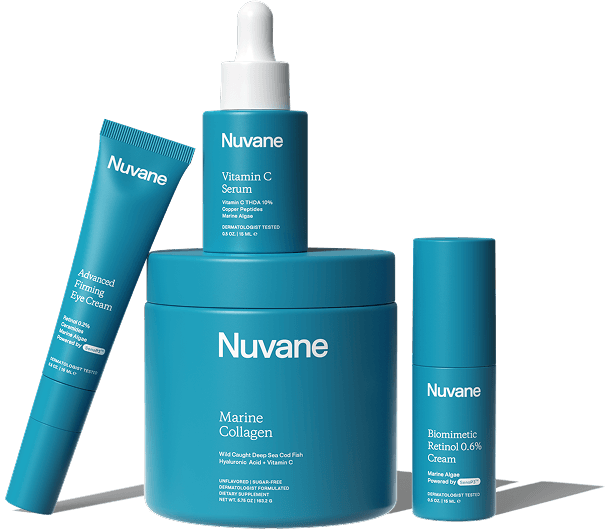
While many brands chase hype, Nuvane’s formulations are rooted in documented dermatological science. The Nuvane ingredient portfolio prioritizes:
- Barrier-supportive ceramides and fatty acids
- Proven actives like retinol and vitamin C
- Peptides and antioxidants tailored to mature skin
For women seeking evidence-based, non-faddish solutions, Nuvane’s approach aligns perfectly with the dermatologist-driven trends of 2026. For detailed ingredient data and research-backed formulations, see the Nuvane project documentation.
FAQs
1. What is the biggest skincare trend for fall 2026?
Barrier Repair 2.0—lighter, smarter formulas that strengthen skin without heaviness.
2. Are exosome creams safe to use right now?
They show promise, but clinical research is limited. Caution is advised until more long-term data is available.
3. Can GLP-1 medications really affect skin aging?
Yes, they may accelerate collagen loss and sagging, requiring more targeted skincare and dermatological treatments.
4. Do I need multiple serums in my routine?
Not necessarily. Dermatologists now recommend serum strategy—choosing one or two that complement your moisturizer.
5. Is retinol still safe for women over 50?
Yes, when used correctly and buffered with hydrating products, retinol remains a gold-standard anti-aging ingredient.
6. Why are lip balms trending as color hybrids?
Consumers want multifunctional products that hydrate, plump, and tint in one step.
7. Should I switch my skincare every season?
Not entirely, but adjusting hydration and barrier-focused products in the fall is highly recommended.
8. What makes Nuvane’s approach different from trendy launches?
Nuvane emphasizes science-backed, proven ingredients rather than fleeting trends—ideal for mature, sensitive skin.
References
[1] Elias PM, et al. Skin barrier function and its importance in dermatology. Clin Dermatol.
[2] Kang S, et al. Retinol in the treatment of skin aging. J Am Acad Dermatol.
[3] Pullar JM, et al. The roles of vitamin C in skin health. Nutrients.
[4] Lupo MP. Hyaluronic acid and peptide-based lip products. J Drugs Dermatol.
[5] Draelos ZD. Overuse of active ingredients in cosmetics. Dermatol Ther.
[6] Kim J, et al. Exosome-based strategies for skin rejuvenation. Stem Cell Res Ther.
[7] Almandoz JP, et al. Effects of GLP-1 therapy on skin physiology. Diabetes Care.
[8] Gold MH, et al. Radiofrequency microneedling for skin laxity. Dermatol Surg.
[9] Tighe S, et al. Consumer behavior and minimalistic skincare. Cosmet Dermatol.
[10] Yaar M, Gilchrest BA. Age-related skin changes. N Engl J Med.
Find the most effective anti-aging products for you by taking the free skin assessment.
Enjoyed this article? Add Nuvane as a preferred source on Google.