
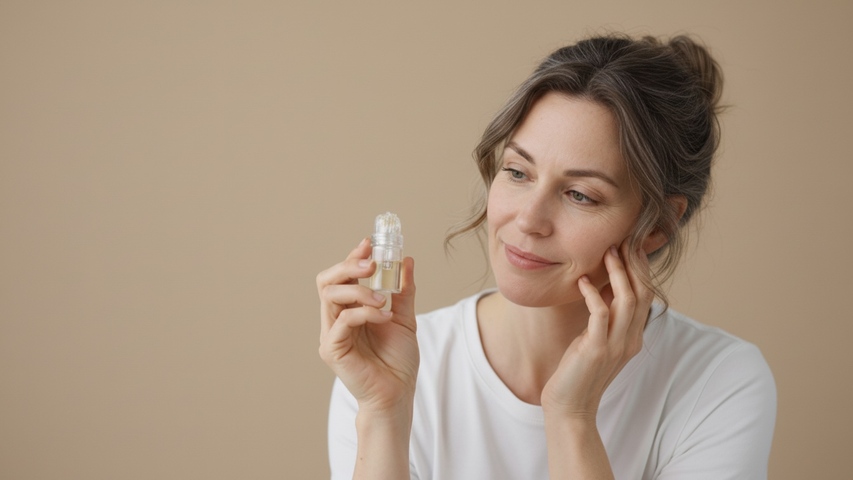
Should you try at-home micro-infusion needles?

Key Points:
- A small vial or ampule that you fill with serum.
- A screw-on microneedle head – usually 20–30 ultra-fine needles, often gold-plated and EO-sterilized for cleanliness. Needle length is typically 0.25–0.5 mm for the face/neck.
- Stamping motion – you press the head perpendicular to the skin in overlapping passes. Each press:
creates dozens of micro-channels
dispenses a tiny droplet of serum through the needles - Biologic response:
Micro-injury → triggers wound-healing: fibroblasts release growth factors, collagen, and elastin over time.
“Wet needling” → actives (e.g., niacinamide, peptides, growth factors) sit closer to living keratinocytes and fibroblasts, where they can interact with receptors and enzymes.
Clinical data on microneedling paired with growth-factor or stem-cell-conditioned media show improved fine lines, tone, and texture compared to microneedling alone, supporting the concept of whole micro-infusion.[1][2][3][4]
What general skin benefits can you expect from home micro-infusion?
When devices and serums are used correctly, studies on related microneedling + topical actives suggest you may see:
- Smoother texture & smaller-looking pores – collagen remodeling plus better hydration can make surface irregularities less visible.[1][2][5]
- Softening of fine lines and early wrinkles – repeated micro-injury plus peptides/growth factors can support new collagen and elastin over months.[1][3][4]
- Brighter, more even tone – especially when formulas include niacinamide or tranexamic acid, which both have clinical data for hyperpigmentation and melasma.[6][7][8][9][10]
- Plumper, more hydrated look – low-molecular-weight hyaluronic acid and humectants like glycerin and panthenol draw water into the stratum corneum, while the micro-channels give those humectants a head start.
- Neck & décolleté support – the skin in this area is thin and prone to movement. Data from RF microneedling, combined with antioxidant serums, on the neck show improvements in laxity and texture, suggesting that collagen-stimulating and antioxidant strategies are also relevant here.[3][5]
You’re unlikely to:
- Erase deep wrinkles
- Fully remodel deep acne scars
- Replace surgical lifting
—but you can meaningfully upgrade glow, texture, pigmentation, and early signs of aging with consistent, safe use and well-chosen formulas.
Which serum ingredient families are most common in micro-infusion kits?
Anti-wrinkle and firming ingredients that show up in wrinkle serums
Anti-ageing micro-infusion blends often emphasise:
- Signal peptides–short amino acid chains that “whisper” to fibroblasts to make more collagen, elastin, and glycosaminoglycans. Examples used across different kits include: acetyl hexapeptide-8, palmitoyl tetrapeptides, and tripeptide-1.[4][9]
- Copper tripeptide-1 (a form of GHK-Cu):
- Well-studied for wound healing, collagen synthesis, antioxidant enzyme support, and overall skin regenerative effects.[9]
- Growth-factor-mimicking peptides or EGF analogues:
- Topical growth-factor cosmetics have been shown in multiple clinical studies to increase dermal collagen and improve fine lines and texture.[1][3][4][10]
- Stress-resistant botanicals, such as Myrothamnus extracts (a “resurrection plant”), may help cells tolerate dehydration and oxidative stress.
A typical “wrinkle-focused” micro-infusion vial may combine niacinamide with Myrothamnus extract, copper tripeptide-1, beta-glucan, and hyaluronic acid—a classic combination of firming peptides, hydrating polysaccharides, and barrier-soothing agents.
Which hydrating and barrier-support ingredients look after recovery?
Because micro-infusion temporarily disrupts the barrier, formulas commonly include:
- Humectants: glycerin, butylene glycol, mannitol, sodium hyaluronate – draw water into the stratum corneum.
- Barrier-soothers: panthenol, beta-glucan, allantoin – reduce transepidermal water loss and help calm redness.
- Simple, fragrance-free bases (often floral waters or pure water, with mild preservatives) to keep irritation low while the skin is more permeable.
Ingredients to target the appearance of hyperpigmentation and sunspots
-
Niacinamide (vitamin B3):
- Reduces the transfer of pigment from melanocytes to keratinocytes.
- Clinical work reveals visible improvement in hyperpigmented spots and an increase in overall skin lightness after approximately 4 weeks.[6][7]
-
Tranexamic acid:
- A plasmin inhibitor that can be used to reduce the appearance of skin hyperpigmentation and sunspots.
- Meta-analyses and RCTs (topical, oral, and intradermal) show that it can lighten melasma and reduce relapse, with a generally favorable safety profile.[8][9][10]
- Botanical anti-inflammatories and antioxidants such as chrysanthellum extract or plant polyphenols – these help calm post-inflammatory erythema and may indirectly reduce pigment rebound by lowering inflammation.
Are there specialized formulas for sensitive or reactive skin?
Some systems emphasize:
- No fragrance or essential oils
- No strong exfoliating acids (AHAs, BHAs)
- Lower needle length (0.25 mm)
Other lines target scalp or hair-density concerns with peptide + plant-extract cocktails aimed at DHT modulation and follicle support—but these are generally better reserved for professional guidance.
How does the premium system you linked compare to other home micro-infusion options?
If we zoom out and look at several leading at-home systems reviewed in independent comparison articles and ingredient databases, a pattern emerges:
The “clinical-style” system you shared:
- Needles: 0.5 mm, gold-plated, EO-sterilized, designed to be virtually painless but still long enough to reach past just the stratum corneum.
- Format: refillable stamp plus single-use sterile heads and separate vials.
- Serum options:
Dark-spot ampule – niacinamide + tranexamic acid + peptides + calming botanicals.
Wrinkle ampule – niacinamide + Myrothamnus extract + copper peptide + beta-glucan + hyaluronic acid. - Frequency: designed for about one treatment every 2 weeks, with internal user data showing visible changes after a series of sessions over a few months.
Other premium systems in the same category tend to:
- Stick to 0.25–0.5 mm needles
- Provide one “all-in-one” peptide + hyaluronic anti-ageing serum rather than two targeted vials
- Feature additional “after-treatment” serums or eye patches for the 24–48-hour enhanced-absorption window
- Keep formulas fragrance-free, with heavy emphasis on humectants, peptides, and antioxidants
More budget-friendly kits most often:
- Use generic 0.25–0.5 mm cartridges
- Rely on basic hyaluronic-acid serums (sometimes with collagen peptides or vitamin C)
- Have minimal or no clinical-style testing behind them
How do you choose the right micro-infusion serum for your skin goals?
You can use this simple mapping across brands and price points:
Main goal: dark spots, melasma-like patches, or post-acne marks
- Look for: niacinamide 2–5%, tranexamic acid, gentle antioxidants, no added fragrance.
- Avoid: strong acids or retinoids inside the micro-infusion serum itself (those can be too irritating in a freshly needled skin barrier).
Main goal: fine lines, mild sagging, texture
- Look for: signal peptides, copper tripeptide-1, growth factor-mimicking technologies, and humectants.
- Combine: micro-infusion every 2–4 weeks, plus daily sunscreen and a steady topical retinoid (used on non-needling nights).
Main goal: dehydration, dullness, “tired” skin
- Look for: hyaluronic acid, glycerin, panthenol, beta-glucan, and maybe a low dose of niacinamide.
- Think of these as “special-occasion facials” before events rather than heavy rejuvenation tools.
Main goal: neck & décolleté care
- Prioritize: shorter needles (0.25–0.5 mm max), hydrating + antioxidant serums, and gentler schedules—every 3–4 weeks.
- Support includes firm SPF on the neck and chest/chest plus antioxidant serums on non-needling days. Neck rejuvenation trials with microneedling-style RF, combined with vitamin C, E, and ferulic serums, support this strategy.[3][5]
If your skin is sensitive, start with hydrating-only vials and patch-test on a small area of the cheek before treating the whole face.
How often should you use home micro-infusion, and when can you expect to see results?
Most reputable home systems and dermatology-backed guides converge around:
Frequency for 0.25–0.5 mm facial devices:
- Every 2 weeks is a common recommendation.
- Some very shallow or “hydration-only” kits go up to twice weekly, but that’s best reserved for resilient skin.
Neck / décolleté: every 3–4 weeks, because this skin is thinner and often more reactive.
Scalp micro-infusion: usually every 2 weeks or longer, always under professional guidance.
Typical timeline:
- Next day to 1 week: plumper, more hydrated, and “event-ready” glow as the serum and micro-swelling take effect.
- 4–8 weeks (2–4 sessions): early changes in fine lines, pore visibility, and pigment.
- 3–6 months: collagen-related benefits become more apparent—especially if you’re consistent with sun protection and daily skincare.[1][2][5]
Do not increase frequency to “speed things up”—you’ll mostly just increase irritation and risk of post-inflammatory hyperpigmentation, especially on medium-to-deep skin tones.
What safety rules should you follow before trying home micro-infusion?
You should not micro-infuse over:
- Active acne, pustules, cold sores
- Eczema, psoriasis, or dermatitis flares
- Open cuts, scratches, or sunburn
- Keloid-prone scars or raised lesions
Extra caution if you:
- Are pregnant or breastfeeding (because some actives like tranexamic acid, strong retinoids, or certain brighteners may not be recommended—ask your clinician)
- Are on anticoagulants or have bleeding disorders
- Have a history of post-inflammatory hyperpigmentation
Best-practice checklist:
- Cleanse skin thoroughly and pat completely dry.
- Disinfect the needle head exactly as directed and never reuse single-use cartridges.
- Use only serums specifically designed for micro-infusion (sterile, non-comedogenic, no fragrance).
- Avoid strong acids, scrubs, and retinoids for ~48–72 hours before and after use.
- Apply a simple, hydrating, fragrance-free moisturizer and high-SPF mineral sunscreen the day after treatment.
When in doubt—or if you have any underlying skin condition—check in with a dermatologist before starting.
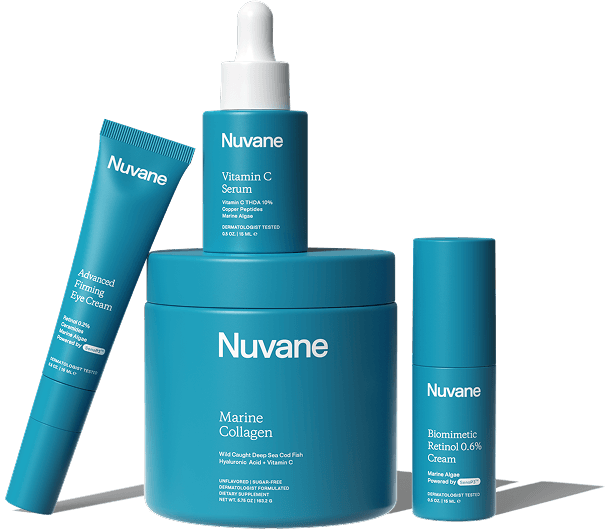
How does Nuvane (and SenoP3) fit into a science-backed micro-infusion routine?
Goal of this section: connect micro-infusion concepts with Nuvane’s ingredient philosophy.
While different brands emphasize different “hero” ingredients, the science we’ve covered points toward a few consistent themes:
- Target the hallmarks of skin aging, not just one symptom—collagen loss, oxidative stress, barrier decline, and pigment dysregulation all interact.[5]
- Use peptides and growth-factor-inspired technologies wisely, ideally in balanced formulas rather than in isolation.[1][3][4][9][10]
- Support the barrier and microbiome so the skin can tolerate and benefit from stimulation in the long term.
Nuvane’s work—including its SenoP3 technology—is built around that same multi-pathway mindset: formulating with research-backed actives (such as advanced peptides, barrier-support complexes, and intelligent brighteners) rather than trendy fragrances or purely cosmetic fillers. When you review Nuvane’s project documentation and ingredient lists, you’ll see that:
- Ingredients are chosen for documented roles in collagen support, pigment regulation, and barrier repair
- concentrations and combinations are designed to be compatible with procedures like micro-infusion and microneedling, where the barrier is briefly more permeable
- The neck and décolleté are treated as high-movement, high-exposure zones that deserve the same level of scientific attention as the face
Practically, that means you could use:
- Micro-infusion sessions (every 2–4 weeks) with simple, sterile serums
- Nuvane formulas on non-needling days to provide steady, daily input from SenoP3 and other targeted complexes—especially on the neck and chest, where skin aging often shows first.
This pairing of “procedure + daily science-backed skincare” is what many of the strongest studies in skin rejuvenation have in common, even when the specific product names differ.[1][2][3][4][5]
FAQs:
How long will it take to see visible results from a home micro-infusion kit?
You’ll usually see an immediate glow and plumpness within 24–48 hours thanks to hydration and micro-swelling. More noticeable structural changes—such as a smoother texture, softened fine lines, and lightened dark spots—typically appear after 4–8 weeks of treatments, administered every 2–4 weeks, and are supported by solid sun protection.[1][2][5]
Can I put my usual active serum (like a strong retinoid or AHA) into a micro-infusion device?
No. Anything not designed for needling (especially strong acids, high-dose retinoids, or products with fragrance/essential oils) can cause severe irritation or even scarring when driven into micro-channels. Stick to purpose-formulated micro-infusion serums or those explicitly cleared for this use by your dermatologist.
Is 0.5 mm too long for at-home use?
0.5 mm is at the upper end of what’s generally advised for home use on the face/neck; it reaches beyond the very surface and should be used cautiously, following manufacturer instructions closely. Individuals with more sensitive or darker skin types may prefer to start at 0.25 mm and observe how the skin responds before increasing the depth.
Can micro-infusion help acne scars?
Shallow scars and overall textural roughness may improve modestly, especially with peptide- or growth-factor-containing serums. However, deeper boxcar or ice-pick scars typically require in-clinic microneedling, RF microneedling, or laser resurfacing, all of which should be supervised by a dermatologist.
Is micro-infusion safe for melasma-prone skin?
It can be, but needs caution. On the one hand, tranexamic acid and niacinamide serums have supportive data for melasma.[6][7][8][9][10] On the other hand, any inflammation or UV exposure after treatment can worsen pigment. If you have melasma, proceed only under dermatological guidance, keep treatments gentle/infrequent, and be diligent about applying broad-spectrum SPF.
Can I micro-infuse the neck and chest the same way as my face?
The technique is similar, but the needle depth and frequency should be gentler—this skin is thinner and shows lines more quickly. Use hydrating + antioxidant serums, avoid aggressive actives, and treat no more than every 3–4 weeks.[3][5]
How do I clean and store my micro-infusion device?
Follow the manufacturer’s manual: usually, single-use needle heads are discarded after each session, and the body is cleaned with gentle soap and thoroughly dried. Never share heads between people. For reusable heads (which are less common), specific sterilization protocols must be followed exactly.
Should I use micro-infusion if I’m already doing in-clinic treatments?
If you’re undergoing professional microneedling, RF microneedling, chemical peels, or laser treatments, do not add home micro-infusion on top without your provider’s approval. Over-stacking procedures increase the risk of irritation, pigment changes, and damage to the skin barrier. Bring your home device to your appointment and ask your dermatologist whether it fits into your plan, and if so, how.
References
[1] Fitzpatrick RE et al. An assessment of microneedling with topical growth factors for facial skin rejuvenation. J Clin Aesthet Dermatol.
[2] Liu L et al. Efficacy of microneedling combined with human umbilical cord–derived mesenchymal stem cell conditioned media in facial skin rejuvenation. Front Med (Lausanne).
[3] Kim J et al. Fractional microneedle radiofrequency with antioxidant serum for neck rejuvenation: a randomized split-neck trial. J Cosmet Dermatol.
[4] Fabi SG et al. Topical growth factor preparations for facial skin rejuvenation: a systematic review. J Cosmet Dermatol.
[5] Anzai A et al. Decoding skin aging: a review of mechanisms, markers, and modern interventions. Cosmetics. 2024.
[6] Hakozaki T et al. The effect of niacinamide on reducing cutaneous pigmentation and suppression of melanosome transfer. Br J Dermatol. 2002.
[7] Kok Y et al. Niacinamide: a review on dermal delivery strategies and clinical efficacy. Drug Deliv Transl Res. 2023.
[8] Calacattawia R et al. Tranexamic acid as a therapeutic option for melasma management: meta-analysis and systematic review of randomized controlled trials. J Dermatolog Treat. 2024.
[9] Pickart L et al. Skin regenerative and anti-cancer actions of copper peptides. Cosmetics. 2018.
[10] De la Cueva P et al. Epidermal growth factor: innovation and safety in dermatologic use. Int J Dermatol.
Keywords:
Micro-infusion vs. microneedling, micro-channeling at home, 0.5 mm microneedle safety, tranexamic acid brightening serums, niacinamide hyperpigmentation study, copper tripeptide-1 collagen, growth factor cosmeceuticals, at-home neck rejuvenation, SenoP3 technology, Nuvane anti-aging ingredients.
Find the most effective anti-aging products for you by taking the free skin assessment.
Enjoyed this article? Add Nuvane as a preferred source on Google.