
What are the 14 signs of skin aging you shouldn’t ignore?

- Wrinkles aren’t the only markers of aging—dark spots, sagging, puffiness, and uneven tone often reveal age even faster.
- Hyperpigmentation and melasma can make skin appear up to a decade older if untreated.
- Dullness, rough texture, and redness are just as important to address as fine lines.
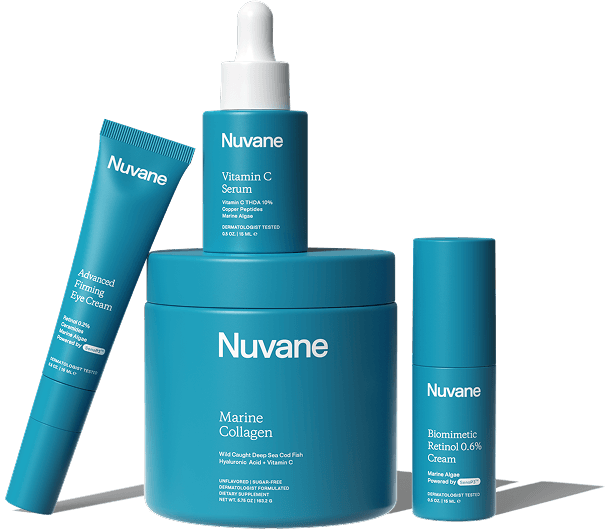
- Nuvane’s complete system targets all 14 signs of skin aging with science-backed ingredients for repair, renewal, and prevention.
Why is skin aging more than just wrinkles?
When most people think about the aging process, wrinkles are usually the first thing that comes to mind. But dermatologists emphasize that wrinkles are only one piece of a much larger story. Skin aging reveals itself through dozens of subtle shifts: pigmentation, texture, elasticity, and hydration all play crucial roles in how old—or young—skin appears.
These changes are influenced by genetics, lifestyle habits, and environmental factors such as sun exposure and pollution. While aging is a natural and inevitable process, its impact on the skin can be slowed, softened, and even reversed in some areas with consistent care.
That’s why understanding all the signs of skin aging is the first step toward creating an effective skincare routine that works with your biology rather than against it.
What are the 14 main signs of skin aging?
1. How does hyperpigmentation reveal age?
Hyperpigmentation occurs when the skin produces excessive melanin, the pigment responsible for skin color. It often appears as scattered, dark patches on the face, chest, or hands. Common triggers include years of sun exposure, hormonal fluctuations, and inflammation from acne or injury.
Because hyperpigmentation disrupts the smooth, even appearance of youthful skin, it can make someone appear significantly older. While makeup can mask uneven tone, dermatologists agree that correcting pigmentation through topical treatments and prevention is the most effective long-term approach.
2. What makes melasma different from hyperpigmentation?
Melasma is a specific form of hyperpigmentation that often appears as symmetrical brown patches on the cheeks, forehead, or upper lip. Unlike general dark spots, melasma is influenced heavily by hormones and sun exposure, which is why it’s sometimes called the “mask of aging.”
Many women notice that melasma worsens in the summer and fades slightly in winter, as sunlight intensifies pigmentation. Although harmless, melasma can be emotionally frustrating due to its persistent nature. A multi-pronged approach, combining broad-spectrum sunscreen, antioxidants, and gentle pigment correctors, offers the best results.
3. Why do we get under-eye puffiness as we age?
The under-eye area is one of the first places to reveal aging because the skin here is thin and delicate. In youth, puffiness may be temporary, caused by lack of sleep or high salt intake. But as we age, changes in fat distribution and slower lymphatic drainage cause persistent under-eye bags.
These changes create a tired look even when you feel well-rested. Treatments include caffeine-based eye creams, lymphatic massage, and peptides that help firm the skin. Consistent care helps reduce fluid build-up while improving elasticity in this fragile area.
4. Are dark spots and age spots the same thing?
Yes, “age spots” and “sun spots” refer to the same issue: clusters of melanin caused by UV exposure over the years. Unlike freckles, which are often hereditary, these spots are strongly associated with cumulative sun damage.
They typically appear on the face, chest, hands, and shoulders—areas most exposed to sunlight. While harmless, age spots can make the complexion appear older and less vibrant. Preventing them with sunscreen is best, but treatments like antioxidants, exfoliants, and brightening serums can fade them significantly over time.
5. Why does skin sag with age?
Sagging skin is one of the most visible and difficult-to-hide signs of aging. It happens when collagen and elastin fibers—the scaffolding that holds skin firm—begin to break down. At the same time, gravity pulls skin downward, leading to drooping along the jawline, cheeks, and neck.
Other contributors include rapid weight changes and sun damage, which accelerate the weakening of support structures. Firming treatments with retinoids, peptides, and targeted serums can rebuild collagen, but consistency is key to seeing visible lift and definition.
6. What causes loss of smoothness?
Youthful skin renews itself every 28 days, keeping the surface fresh and silky. However, with age, this process slows, resulting in dull, rough patches and an uneven texture. Environmental stressors, such as UV radiation, wind, and pollution, exacerbate the effect, causing the skin to appear weathered.
Loss of smoothness is more than cosmetic—it reflects reduced cell turnover and a weakened barrier. Exfoliation, both chemical (AHAs, BHAs) and gentle physical, combined with hydration boosters like hyaluronic acid, restores the touchable softness of youthful skin.
7. Why is uneven skin tone such a giveaway?
Uneven tone is often considered more aging than wrinkles. Studies show that discoloration can add over a decade to perceived age [1]. When skin is blotchy or spotted, it loses the even light reflection associated with health and youth.
The main culprits are UV exposure, hormonal changes, and post-inflammatory hyperpigmentation. Treating uneven tone requires brightening agents such as vitamin C, niacinamide, and licorice extract, all of which help regulate pigment production. Consistent use of sunscreen is essential to prevent recurrence.
8. How do fine lines and wrinkles form?
Fine lines and wrinkles develop as collagen weakens, and repeated facial expressions create permanent grooves in the skin. Dynamic wrinkles, like crow’s feet and smile lines, eventually settle into static wrinkles that remain even at rest.
External stressors, such as sun damage and smoking, accelerate their development by breaking down collagen more rapidly. The best defense combines retinoids (to rebuild collagen), antioxidants (to protect from free radicals), and sunscreen. Together, these strategies soften existing lines and slow the formation of new ones [6].
9. Why does skin lose its glow?
Radiance is a hallmark of youthful skin, achieved when light reflects evenly off a hydrated and smooth surface. With age, hydration levels drop, cell turnover slows, and microcirculation decreases—leading to dull, tired-looking skin.
Stress, lack of sleep, and inadequate nutrition worsen the effect. Restoring glow requires boosting hydration with hyaluronic acid and glycerin, stimulating renewal with retinoids, and protecting with antioxidants. Lifestyle habits—like drinking enough water and getting quality sleep—are equally important for maintaining luminosity.
10. Can excess shine be a sign of aging?
Yes. While many associate oily skin with youth, imbalanced sebum production later in life can lead to greasy, shiny skin that looks less fresh. This can happen when skin becomes dehydrated, prompting oil glands to overcompensate.
The result is a sheen that feels heavy rather than dewy. Solutions include hydrating serums to restore balance and lightweight, non-comedogenic moisturizers. By correcting underlying hydration deficits, skin regains a healthier, natural glow rather than excess shine.
11. What causes rough skin texture?
Rough skin texture results from dryness, enlarged pores, and scarring that create an uneven surface. With age, slower renewal and environmental damage make this problem worse. A rough texture not only feels coarse but also scatters light irregularly, making the skin appear older.
Targeted resurfacing with gentle exfoliants, barrier-strengthening hydrators, and peptides helps restore softness. Treatments should be gradual and consistent, as overly harsh exfoliation can worsen irritation. A smooth surface enhances both bare skin and makeup application.
12. Do freckles count as a sign of aging?
Freckles themselves are not signs of aging—they are genetic and often appear in youth. However, with cumulative sun exposure, freckles can darken, cluster, and merge into patches that resemble age spots.
Over time, this creates a more uneven appearance. Sun protection is key, as sunscreen prevents freckles from darkening. Brightening serums can also soften their visibility. While freckles are harmless, managing them helps preserve a youthful, even complexion.
13. Why does skin sometimes just look “tired”?
“Tired” skin isn’t a single condition but a combination of dullness, dehydration, and loss of elasticity. These factors make the complexion appear fatigued, even when you’re well-rested.
Causes include poor sleep, stress, inadequate nutrition, and slower cellular renewal with age. Restoring vitality involves a holistic approach, encompassing hydration serums, sleep hygiene, stress management, and antioxidant-rich diets. Consistency gradually revives brightness and bounce.
14. Why does skin become redder and more sensitive?
As skin ages, the barrier function weakens, making it more susceptible to the effects of sun, pollution, allergens, and harsh skincare products. This results in redness, irritation, and persistent sensitivity [2].
Aging skin is also prone to inflammation due to increased free radical activity. To calm redness, experts recommend ceramides, niacinamide, and botanical soothers like licorice or aloe. Gentle, fragrance-free formulations help restore balance, making skin more resilient over time.
How can you tackle the signs of skin aging?
Addressing aging requires a multi-pronged strategy:
- Daily sunscreen: The number one defense against wrinkles, dark spots, and sagging.
- Antioxidants, including vitamin C, niacinamide, and plant extracts, neutralize free radicals and help brighten the tone.
- Retinoids: Clinically proven to rebuild collagen and smooth fine lines.
- Hydrators: Hyaluronic acid and glycerin plump and restore radiance.
- Barrier-strengthening creams: Ceramides and calming ingredients reduce redness and sensitivity.
Skincare works best when paired with healthy lifestyle habits, such as balanced nutrition, hydration, exercise, and stress management. Together, they create an environment that allows skin to thrive.
How does Nuvane address all 14 signs of skin aging?
Nuvane’s system is designed to be comprehensive, science-backed, and gentle enough for daily use:
- Nuvane Firming Serum – Collagen and peptide boosters lift sagging skin.
- Nuvane Smooth Renewal Cream – Exfoliates and hydrates for silky texture.
- Nuvane Bright Tone Corrector – Fades hyperpigmentation, melasma, freckles, and age spots.
- Nuvane Retinol Night Cream – Targets wrinkles with a balanced retinol complex.
- Nuvane Glow Essence – Restores luminosity and hydration.
- Nuvane Calming Shield Moisturizer – Strengthens the barrier and reduces redness.
- Nuvane Eye Revive Cream – Smooths puffiness and brightens under-eye circles.
Unlike one-dimensional solutions, Nuvane products are designed to work together, creating a full-circle defense against aging.
FAQs
1. Can lifestyle changes really slow skin aging?
Yes. Studies show that lifestyle factors such as consistent sunscreen use, a diet rich in antioxidants, and adequate sleep significantly influence the rate of visible aging [3]. These habits protect collagen, reduce oxidative stress, and maintain skin hydration.
2. Is it possible to reverse existing age spots?
While a complete reversal is unlikely, age spots can fade considerably with the use of retinoids, vitamin C, and pigment inhibitors [4]. Regular exfoliation and sun protection are essential for preventing recurrence.
3. What’s the difference between hydration and moisture in skincare?
Hydration adds water into the skin cells, while moisture locks that water in with oils or protective ingredients. Both are crucial—hydration restores plumpness, while moisture prevents evaporation.
4. Do eye creams really make a difference?
Yes. Because the under-eye area has thinner skin and fewer oil glands, it requires specialized care. Eye creams with peptides, caffeine, and brightening agents help reduce puffiness and dark circles [5].
5. How long does it take to see results from retinol?
Most people notice improvements within 12–16 weeks, though consistent use is key [6]. Retinol stimulates collagen, smooths fine lines, and improves texture—but only with ongoing application.
6. Why is uneven tone sometimes worse than wrinkles?
Research shows uneven pigmentation often adds more years to perceived age than wrinkles [7]. Correcting tone with brighteners and sunscreen has a dramatic rejuvenating effect.
7. Can sensitive skin still use anti-aging products?
Yes—with gentle, well-formulated products. Look for balanced retinol, soothing antioxidants, and fragrance-free options, such as those in Nuvane’s line. Sensitive skin benefits from barrier repair alongside anti-aging actives.
8. Is redness always a sign of aging?
Not always. Redness can result from allergies or conditions like rosacea. However, with age, the skin barrier becomes weaker, leading to increased redness and sensitivity [8]. Barrier-strengthening products help reduce flare-ups.
What makes Nuvane unique in the realm of anti-aging skincare?
According to the Nuvane project documentation, every formula is developed using evidence-based actives delivered in gentle, balanced concentrations. This ensures effectiveness without irritation—especially important for women over 50, whose skin needs are evolving.
Nuvane’s formulations include:
- Retinoids + Peptides: Stimulate collagen and elasticity.
- Vitamin C, Niacinamide, Licorice Extract: Brighten and even tone.
- Hyaluronic Acid + Glycerin: Deep hydration for plumpness.
- Ceramides + Botanical Soothers: Restore the barrier and reduce redness.
This thoughtful combination addresses all 14 signs of aging simultaneously, making Nuvane a comprehensive, science-driven solution for lasting results.
References
-
Matts PJ, et al. Color homogeneity and visual perception of age, health, and attractiveness of female facial skin. J Am Acad Dermatol. 2007.
-
Farage MA, et al. Intrinsic and extrinsic factors in skin aging: a review. Int J Cosmet Sci. 2008.
-
Krutmann J, et al. The skin aging exposome. J Dermatol Sci. 2017.
-
Rodrigues M, et al. Hyperpigmentation: causes and treatments. Br J Dermatol. 2019.
-
Luebberding S, et al. Skin physiology of the periorbital region and assessment of eye creams. Skin Res Technol. 2014.
-
Mukherjee S, et al. Retinoids in the treatment of skin aging: an overview. Clin Interv Aging. 2006.
-
Fink B, et al. Even skin: the role of skin tone homogeneity in perception of age, health, and attractiveness. J Evol Psychol. 2006.
-
Rawlings AV. Skin sensitivity and redness: an overview. Int J Cosmet Sci. 2010.
-
Rinnerthaler M, et al. Oxidative stress in skin aging. Int J Mol Sci. 2015.
-
Tobin DJ. Cellular senescence and skin aging. Curr Opin Cell Biol. 2017.
✨ Final Word: Aging is a natural part of life, but visible signs don’t have to define you. By combining protective daily habits with Nuvane’s complete, science-backed system, you can maintain skin that feels firm, radiant, and youthful at every stage of life.
Find the most effective anti-aging products for you by taking the free skin assessment.
Enjoyed this article? Add Nuvane as a preferred source on Google.